
MASS HYSTERECTOMIES: SLEEPING GOVERNMENT
An investigation first published by India's Business Line in April 2019 exposed HYSTERTOMY TREND in Beed district, Maharashtra: thousands of poor women working as sugarcane cutters…
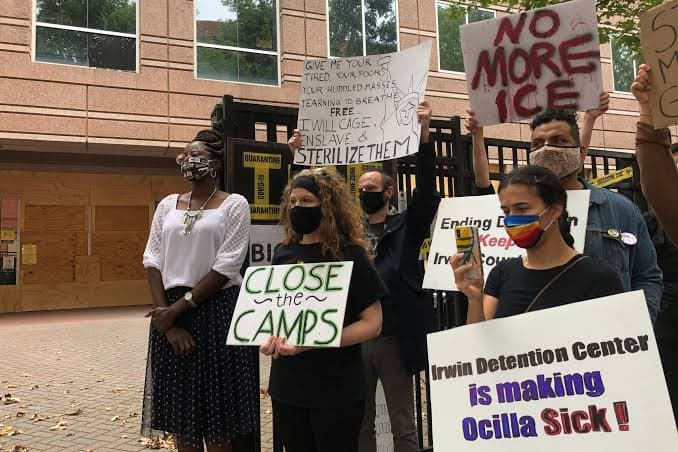
An investigation first published by India's Business Line in April 2019 exposed HYSTERTOMY TREND in Beed district, Maharashtra: thousands of poor women working as sugarcane cutters had undergone hysterectomies — not for genuine medical reasons, but to remain employable during the sugarcane-cutting season (October - April).
The core logic of exploitation: Contractors & sugar factory owners refused to hire women who took time off during menstruation. Faced with poverty & no alternative, women were manipulated by unscrupulous private doctors — into having their uteruses removed to be "always available" for work. Maharashtra's Health Minister publicly acknowledged that 4,605 hysterectomies had been performed in Beed district alone over just 3 years.
The Sugarcane–Private Nursing Home Nexus

Contractors and sugar factory owners created a demand-side pressure: menstruating women lost work days and thus their contracts. Private doctors exploited the vulnerability of poor, near-illiterate women by instilling fear. The financial motive for doctors came from insurance schemes or out-of-pocket payments extracted .The private medical sector was grossly unregulated, enabling profit-driven surgical malpractice to flourish unchecked. Similar patterns were reported in Chhattisgarh, Rajasthan, Bihar, Karnataka, and Andhra Pradesh.
⚠️ System Failures That Still Exist
No Clinical Establishments Act in Maharashtra — A draft of the Maharashtra Clinical Establishments Act has been ready since 2014 but was still not adopted as of 2019. Supreme Court case stalled — A Public Interest Litigation was filed in 2013 by Dr. Narendra Gupta seeking compensation for victims. By 2019, it had not come up for hearing in over 2 years. Most state governments hadn't even replied. Union Government evasion — The central government deflected responsibility by saying health is a state subject. No clinical audit — Health activists demanded that all hysterectomies in Beed over the prior 3 years be subjected to a clinical audit, but this had not been mandated. No labour-side regulation — No action was announced against contractors or sugar factory owners who created the discriminatory employment conditions in the first place. National data collected but ignored — The National Family Health Survey (2015–16) had state-wise hysterectomy data, yet "many instances of coercive hysterectomies linked to livelihoods are still being reported."
⚖️ Actions Taken Against Private Doctors
The actions were weak & largely administrative, not criminal. An expert committee was set up under the Maharashtra Legislative Council with legislators & medical experts to examine the issue — but it is still finalizing a standard operating procedure. The exploitation was systematic, the nexus is real & documented, the legal & regulatory response was sluggish & incomplete. Women bore the cost of a failure spanning labour law, medical regulation, and judicial accountability.
- 📍 Famicare Speciality Center, opp M2K, Rohini, Delhi
- 📞 Call/WhatsApp: +91 96253 61613
- 🌐 www.famicarespeciality.com
- 📧 famicarespeciality08@gmail.com
Connect with us now!
Related Articles & Latest Clinical Guides
Continue exploring evidence-based oncology, cervical cancer prevention, and wellness insights.
 Preventive Oncology
The Control Panel of Your DNA: How Your Lifestyle Rewrites Your Health
Your DNA is the permanent hardware, but epigenetics provides the software bookmarks. Discover how daily habits can activate tumor suppressor genes and rewrite your health blueprint.
 Cancer Awareness
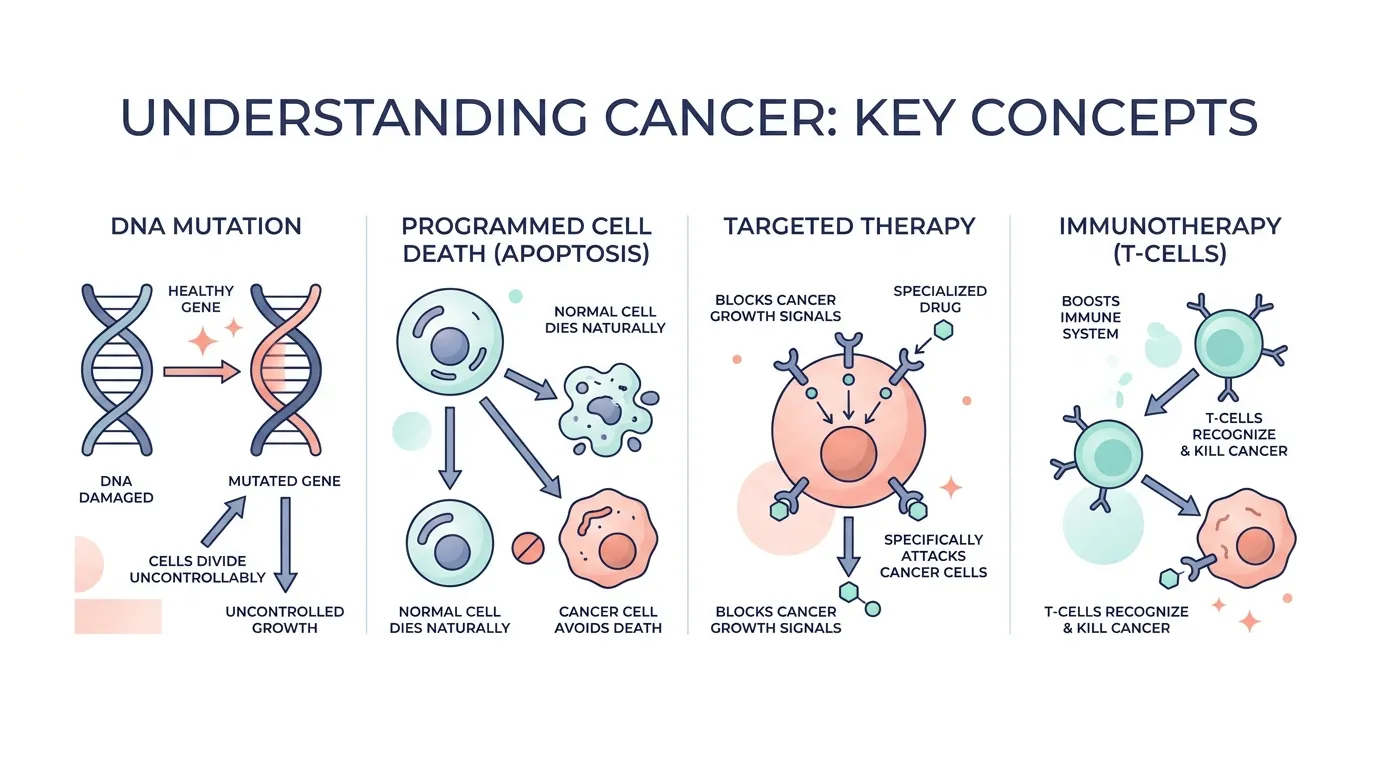
Demystifying Cancer Jargon: A Plain-English Guide to 8 Essential Terms
Hearing words like angiogenesis, apoptosis, or HER2 can feel overwhelming. Here is an empowering translation of eight essential oncology terms using simple everyday analogies.
 Integrative Oncology
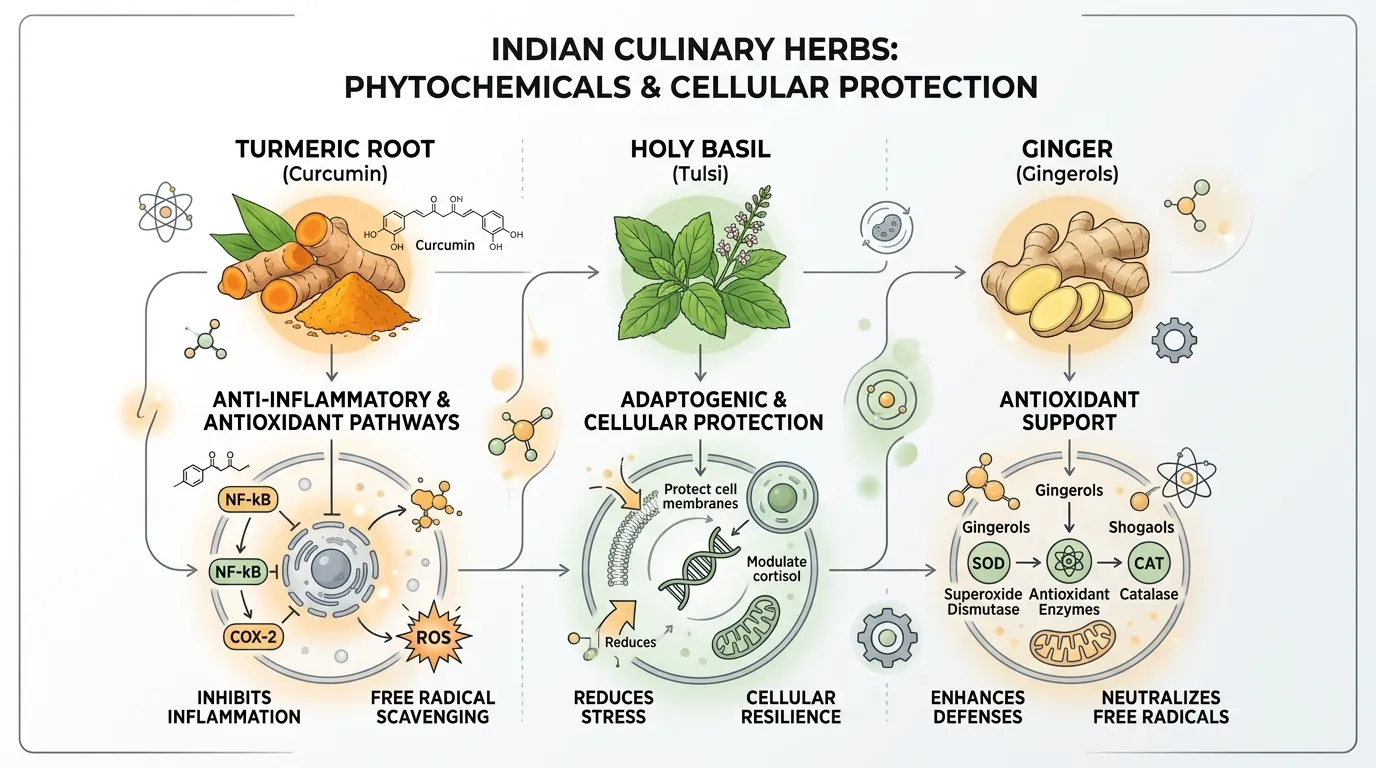
Nature’s Pharmacy: How Common Indian Kitchen Herbs Combat Cancer Hallmarks
Emerging scientific research confirms what traditional medicine has known for centuries: everyday Indian kitchen herbs contain potent bioactive compounds capable of targeting key hallmarks of cancer.