
PAP Smear: What Every Woman Should Know
A PAP smear is a quick screening test that checks the cervix (the lower part of the uterus) for abnormal cell changes — changes that, if left unnoticed, can slowly progress to cerv…
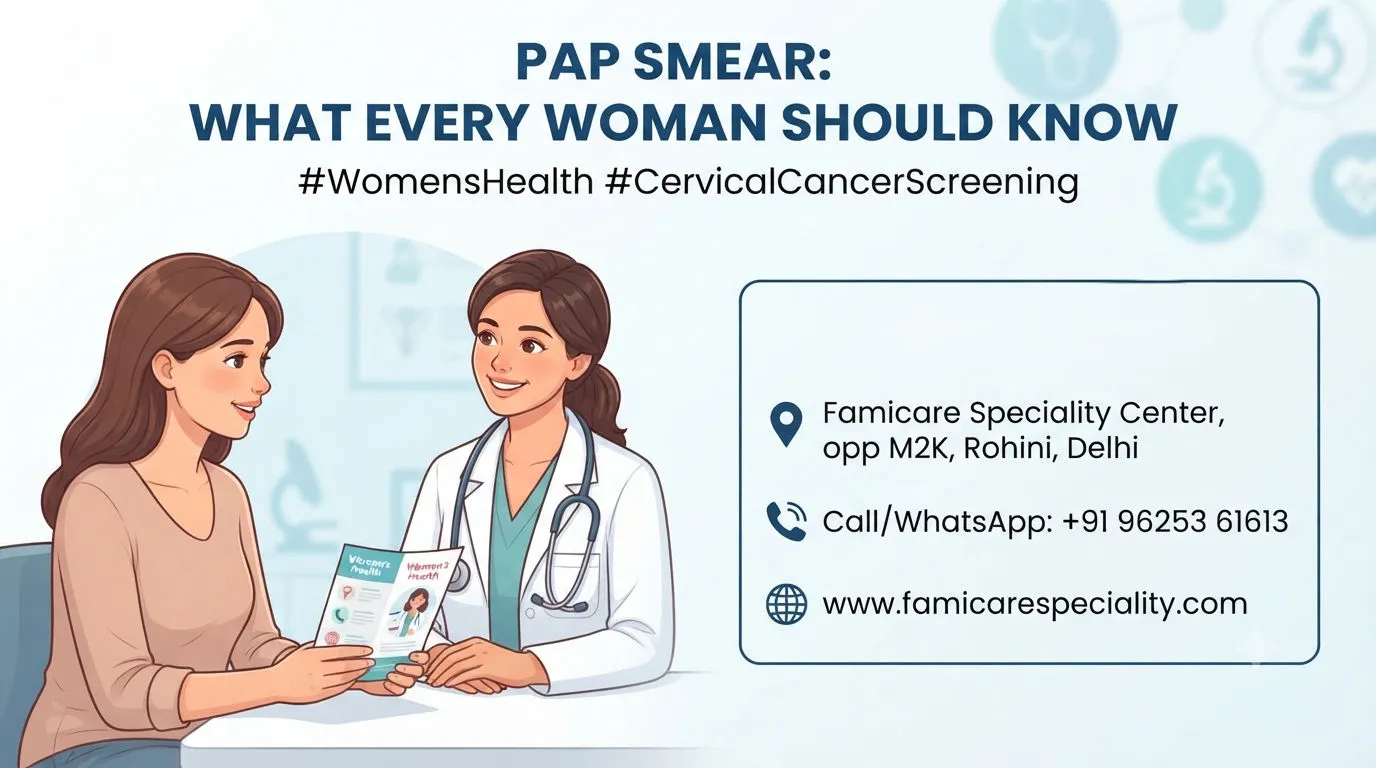
A PAP smear is a quick screening test that checks the cervix (the lower part of the uterus) for abnormal cell changes — changes that, if left unnoticed, can slowly progress to cervical cancer over several years. Because cervical cancer develops gradually, this test catches problems at a stage when they're easily treatable, long before cancer develops. It's one of the few cancers we can actually prevent through screening, not just detect early.
When to start

Begin screening at age 26, regardless of when sexual activity started. Ages 26–29: PAP smear alone, every 3 years. Ages 30–65: PAP smear every 3 years, or PAP + HPV co-testing every 5 years (preferred where available). After 65, most women can stop if previous screenings were normal — your doctor will confirm.
How simple the process is
Takes about 5 minutes in an OPD/clinic setting — no anesthesia needed. The doctor gently inserts a speculum to visualize the cervix, then uses a small soft brush or spatula to collect a light sample of cervical cells. Mild discomfort at most, no real pain; you can resume normal activity right after. Best done when not menstruating, and ideally avoiding intercourse/vaginal products 24–48 hours before, for an accurate sample.
Cost — very affordable
One of the most cost-effective cancer screening tests that exists. A conventional PAP smear costs less than HPV co-testing, making it accessible as a first-line screening tool, especially in resource-limited settings.
- BestCervicalCancerHospitalinRohini📍 Famicare Speciality Center, opp M2K, Rohini, Delhi
- 📞 Call/WhatsApp: +91 96253 61613
- 🌐 www.famicarespeciality.com
- 📧 famicarespeciality08@gmail.com
Contact us now!
Related Articles & Latest Clinical Guides
Continue exploring evidence-based oncology, cervical cancer prevention, and wellness insights.
 Preventive Oncology
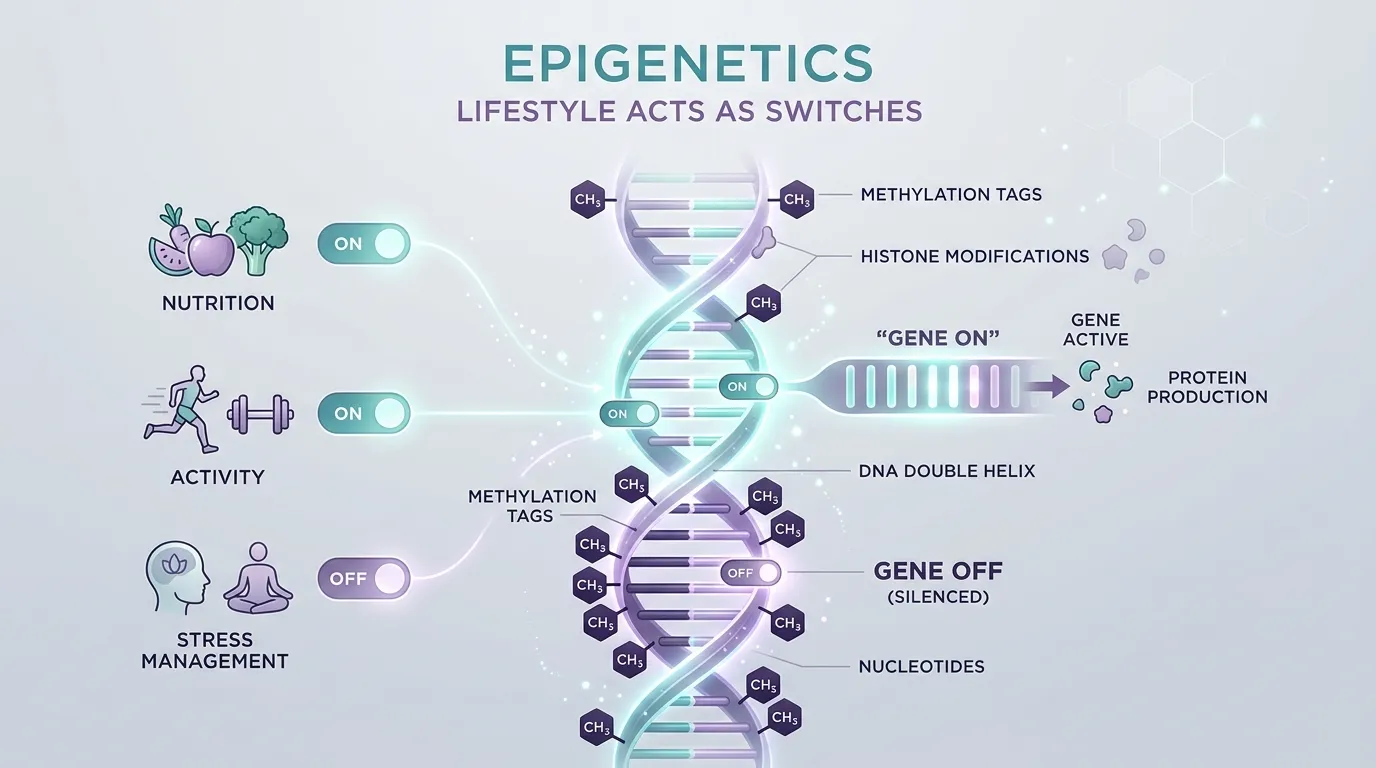
The Control Panel of Your DNA: How Your Lifestyle Rewrites Your Health
Your DNA is the permanent hardware, but epigenetics provides the software bookmarks. Discover how daily habits can activate tumor suppressor genes and rewrite your health blueprint.
 Cancer Awareness
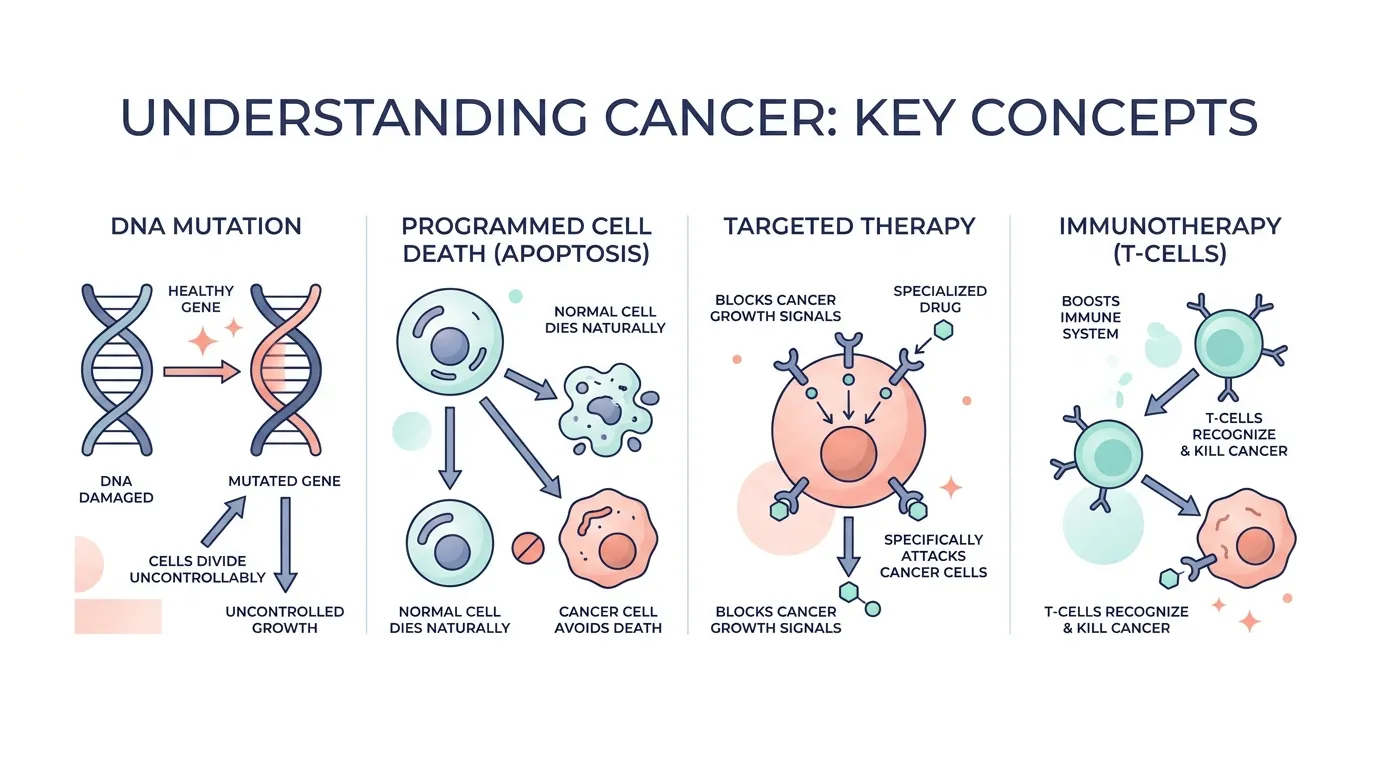
Demystifying Cancer Jargon: A Plain-English Guide to 8 Essential Terms
Hearing words like angiogenesis, apoptosis, or HER2 can feel overwhelming. Here is an empowering translation of eight essential oncology terms using simple everyday analogies.
 Integrative Oncology
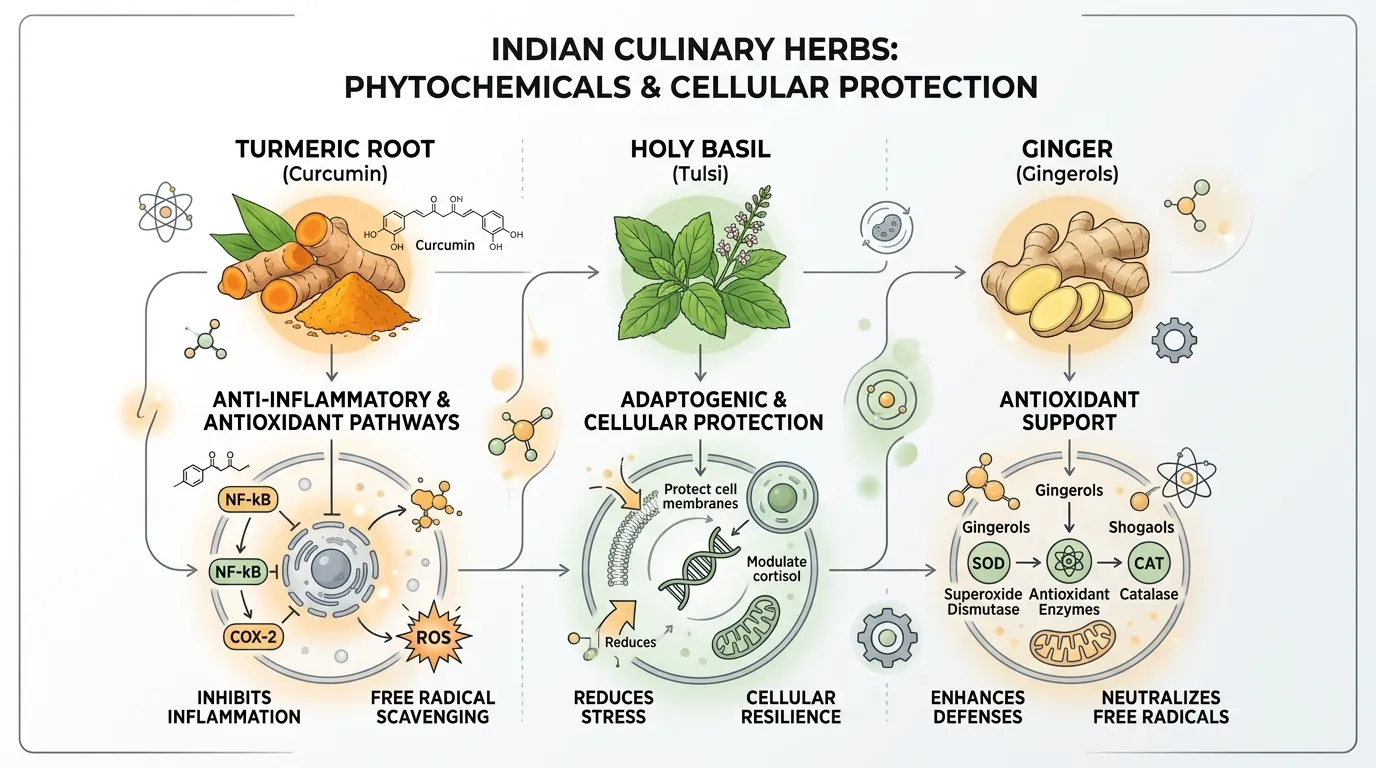
Nature’s Pharmacy: How Common Indian Kitchen Herbs Combat Cancer Hallmarks
Emerging scientific research confirms what traditional medicine has known for centuries: everyday Indian kitchen herbs contain potent bioactive compounds capable of targeting key hallmarks of cancer.