
Cervical Cancer Burden in Rural India
Cervical cancer management in Developing Countries: Are we really living in 21st century and practicing evidence based medicine: Problem in Rural India
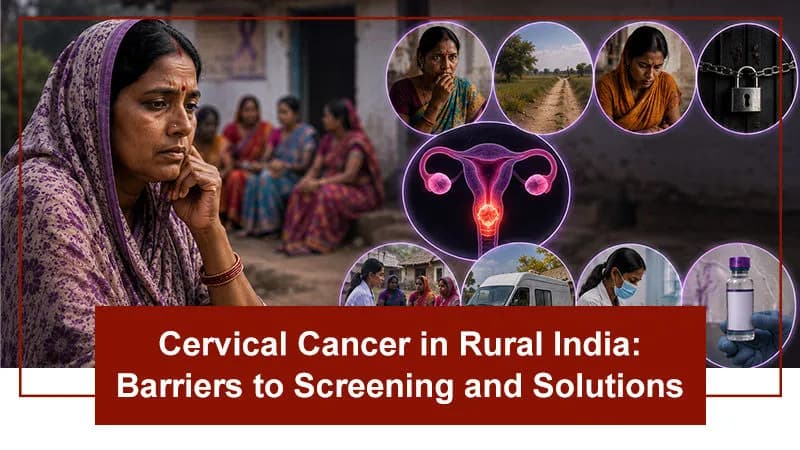
Cervical cancer management in Developing Countries: Are we really living in 21st century and practicing evidence based medicine: Problem in Rural India
Cervical Cancer in Rural India: Improving Screening, Referral, and Treatment

Despite the increasing effort to promote cervical cancer screening and make it widely available, the number of patients dying without treatment and number of patients referred because of inappropriate treatment of cervical carcinoma in rural setting in India is not decreasing. Hospital based cancer registries in India has shown that over 63 to 89 per cent of all cervical cancers had regional disease at the time of presentation and 40% fail to take treatment at reporting Institute. Also, simple Hysterectomy resulting in stump carcinoma or coincidental carcinoma with resultant complications like VVF in diagnosed case of invasive cancer are still occurring. This scenario raises the serious concern about the treatment available in rural India. In rural India, either no treatment is available or doctors are often confronted with cases where treatment has to be offered to their patients either due to lack of facilities and / or personnel for appropriate diagnosis with appropriate skills is not available. Sometimes pressure and anxiety from clients and relatives forces the doctor to do something needful. Still some of the doctors do the surgery deliberately taking advantage of illiteracy of rural people so as to earn quick money. The prognosis for patients with residual disease or with persistent disease after a simple hysterectomy is poor. 📍 Famicare Speciality Center, opp M2K, Rohini, Delhi 📞 Call/WhatsApp: +91 96253 61613 🌐 www.famicarespeciality.com 📧 famicarespeciality@gmail.com
Frequently Asked Questions
1. Why is cervical cancer treatment delayed in rural India?
Limited diagnostic facilities, trained specialists, and oncology services can delay accurate diagnosis and appropriate treatment. Famicare helps patients connect with reliable gynecological care and expert guidance from Dr. Sujata Mittal.
3. What complications can occur after inappropriate cervical cancer surgery?
Possible complications include residual or recurrent cancer, stump carcinoma, urinary injury, and vesicovaginal fistula. Timely evaluation by a qualified specialist is essential.
5. How can rural patients access better cervical cancer care?
Patients should seek screening, confirm diagnosis through pathology, obtain proper staging, and consult an experienced specialist. Famicare supports patients in reaching Dr. Sujata Mittal for informed treatment planning.
Connect with us Now!
Related Articles & Latest Clinical Guides
Continue exploring evidence-based oncology, cervical cancer prevention, and wellness insights.
 Cancer Prevention
Public Health Priorities in India: IMR, NPAFP, Vaccine Sequencing & Cervical Cancer Screening
Examining India's infant mortality rate (IMR), Dr. Jacob Puliyel's NPAFP findings, Peter Aaby's BMJ/Lancet vaccine sequencing research, and the ₹1,300 crore annual HPV vaccine commitment versus India's 1-3% cervical cancer screening coverage.
 Integrative Medicine
Insulin Resistance and PCOS in Young Girls: How Late Nights and Fast Food Rewrite Hormones
Polycystic ovary syndrome (PCOS) affects one in ten women worldwide, with insulin resistance sitting at its core—even in lean teenage girls. Discover how circadian misalignment and modern diets disrupt the HPO axis and how ancient lifestyle wisdom can help reset it.
 Cancer Care
Advanced Lung Cancer (Stage IV & SCLC): Targeted Therapies, ADCs & T-Cell Engagers
Metastatic lung cancer is no longer an immediate death sentence. Discover how precision kinase inhibitors, antibody-drug conjugates (ADCs), and bispecific T-cell engagers are transforming Stage IV NSCLC and Small Cell Lung Cancer into manageable chronic conditions.