
Lung Cancer Treatment (Early Stages I to III): Molecular Biomarkers, Surgery & PACIFIC Protocol
Lung cancer management has transformed. From mandatory multi-gene biomarker panels to robotic lobectomy and perioperative immunotherapy, understand how Stage I to III lung cancer is treated today with curative intent.
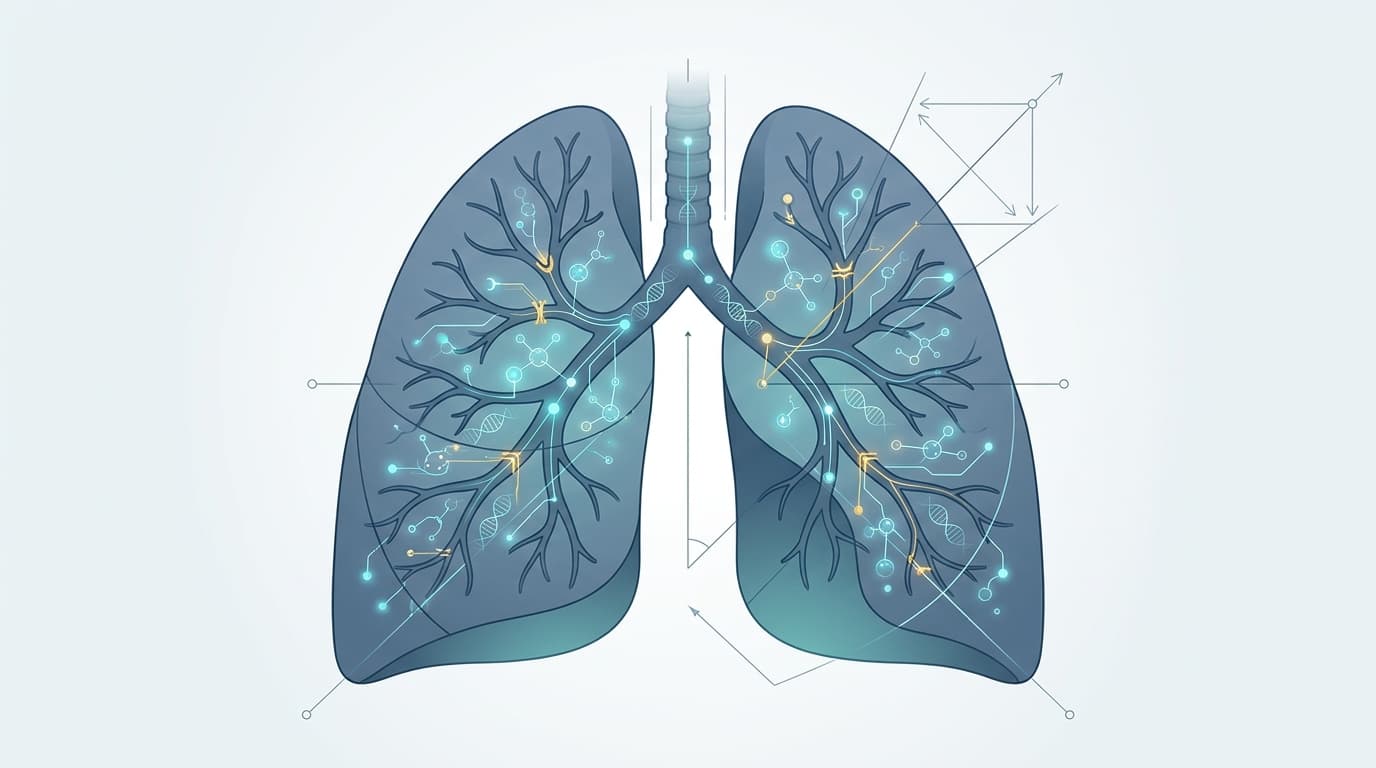
Key Takeaways
- Always insist on complete molecular biomarker testing (EGFR, ALK, ROS1, KRAS, PD-L1) prior to initiating any lung cancer therapy.
- Stage I NSCLC is highly curable: surgical lobectomy is standard, while medically inoperable patients achieve high local tumor control with SBRT.
- Stage II and III treatments now combine precision surgery with neoadjuvant/perioperative chemo-immunotherapy or targeted TKIs.
- Unresectable Stage III disease relies on the PACIFIC protocol (chemoradiotherapy followed by durvalumab) or adjuvant osimertinib for EGFR-mutated tumors.
- Early detection matters: any persistent cough lasting over 3 weeks or unexplained hemoptysis warrants prompt chest CT imaging.
Treatment of lung cancer has evolved more in the last five years than in the previous fifty. Today, treatment is no longer a one-size-fits-all regimen of harsh non-specific chemotherapies. Instead, the right therapeutic plan hinges upon three core pillars: the histological type of cancer (Non-Small Cell Lung Cancer, accounting for ~85% of cases, or Small Cell Lung Cancer), the exact clinical and pathological stage, and the tumor's distinct molecular genomic profile. Crucially, before initiating any treatment, every patient diagnosed with Non-Small Cell Lung Cancer (NSCLC) must undergo a comprehensive diagnostic workup comprising a tissue biopsy, whole-body PET-CT, high-resolution brain imaging, and broad-panel biomarker testing (including EGFR, ALK, ROS1, KRAS, HER2, RET, MET, and PD-L1). Skipping this critical molecular profiling remains the single most common reason patients are prescribed suboptimal or ineffective drugs.
The Golden Rule: Molecular Biomarker Testing Before Treatment
Before a single dose of chemotherapy, immunotherapy, or targeted medication is administered, the tumor's biological fingerprint must be identified. NSCLC is not a single disease, but an umbrella of molecularly distinct conditions.
- Biopsy & Histology: Distinguishes adenocarcinoma, squamous cell carcinoma, or neuroendocrine histology.
- PET-CT & Brain MRI: Accurately maps primary tumor margins, mediastinal lymph node involvement, and rules out occult intracranial spread.
- Next-Generation Sequencing (NGS): Tests for targetable oncogenic driver mutations including EGFR, ALK, ROS1, KRAS G12C, HER2, RET, MET exon 14 skipping, and evaluates PD-L1 tumor proportion score.
Stage I NSCLC: Cure Remains the Primary Goal
In Stage I, cancer is localized strictly within the lung tissue without lymph node involvement. The primary strategy focuses on curative eradication:
- Anatomical Surgical Resection (Lobectomy): The gold standard involves complete removal of the affected lobe accompanied by systematic mediastinal lymph node dissection.
- Stereotactic Body Radiotherapy (SBRT / SABR): For patients who are medically unfit for general anesthesia or surgery, SBRT delivers ablative, sub-millimeter targeted radiation doses over 3 to 5 sessions with excellent local tumor control rates.
- Adjuvant Targeted Therapy: While most Stage IA patients require no adjuvant drug therapy after successful surgery, patients with resected Stage IB disease harboring sensitizing EGFR mutations benefit significantly from daily adjuvant osimertinib tablets (ADAURA protocol), reducing recurrence risks by up to 80%.
Stage II NSCLC: Surgery Combined with Precision Systemic Regimens
Stage II disease typically involves larger tumors or spread to ipsilateral intrapulmonary/hilar lymph nodes. While surgery remains the cornerstone of treatment, perioperative systemic therapy is now standard to eliminate microscopic circulating tumor cells:
- Neoadjuvant Chemo-Immunotherapy: Administering chemotherapy combined with nivolumab prior to surgery often shrinks tumors and produces robust pathological complete responses.
- Perioperative Regimens: Neoadjuvant chemo-immunotherapy before surgical resection, followed by continuation of adjuvant pembrolizumab, significantly reduces distant relapse.
- Critical Exclusion for Driver Mutations: Immunotherapy is contraindicated in patients with EGFR or ALK alterations because it yields negligible efficacy and increases pneumonitis risks.
- Adjuvant Alectinib: Resected ALK-positive NSCLC patients are treated with adjuvant alectinib (ALINA trial), marking the first approved targeted adjuvant regimen for this subset.
Stage III NSCLC: Multidisciplinary Team Decisions & PACIFIC Care
Stage III lung cancer represents a heterogeneous group with spread to mediastinal lymph nodes. Treatment success requires discussion at a Multidisciplinary Tumor Board (MDT):
- Resectable Stage III: Managed with perioperative chemo-immunotherapy followed by definitive surgical resection and adjuvant maintenance.
- Unresectable Stage III (Without Driver Mutations): The gold standard remains concurrent platinum-based chemoradiotherapy (cCRT) followed by one year of durvalumab consolidation (the PACIFIC regimen), which dramatically elevates long-term survival.
- Unresectable Stage III (EGFR-Mutated): Consolidative durvalumab offers minimal benefit; instead, definitive chemoradiotherapy followed by osimertinib (LAURA trial) has emerged as the definitive standard.
Early Symptom Vigilance & Screening
Early detection saves lives. High-risk individuals (such as heavy long-term smokers aged 50-80) should discuss annual low-dose chest CT (LDCT) screening with their physician. Any patient experiencing a stubborn cough lasting more than 3 weeks, blood in sputum, chest pain, or unexplained weight loss requires prompt diagnostic imaging rather than repeated courses of antibiotics or cough syrups.
Dr. Sujata Mittal, Senior Surgical & Gynaecologic Oncologist, Famicare Speciality Center, Rohini, Delhi
Frequently Asked Questions
Why is biomarker testing so important before starting lung cancer treatment?
Biomarker testing reveals whether the cancer cells carry specific genetic mutations like EGFR, ALK, or high PD-L1. Selecting targeted tablets or immunotherapy based on these biomarkers results in substantially higher response rates and longer survival compared to standard chemotherapy.
Can Stage I or Stage II lung cancer be cured?
Yes. When diagnosed early at Stage I or II, complete surgical resection (lobectomy) combined when appropriate with modern adjuvant targeted pills or immunotherapy offers high cure rates.
What is the PACIFIC regimen for Stage III lung cancer?
The PACIFIC regimen consists of concurrent chemoradiation therapy followed by one year of durvalumab (an immunotherapy drug) for patients with locally advanced, unresectable Non-Small Cell Lung Cancer without EGFR/ALK mutations.
References
Concerned about lung symptoms or looking for an expert oncology second opinion? Consult Dr. Sujata Mittal at Famicare Speciality Center, Rohini.
Related Articles & Latest Clinical Guides
Continue exploring evidence-based oncology, cervical cancer prevention, and wellness insights.
 Cancer Care
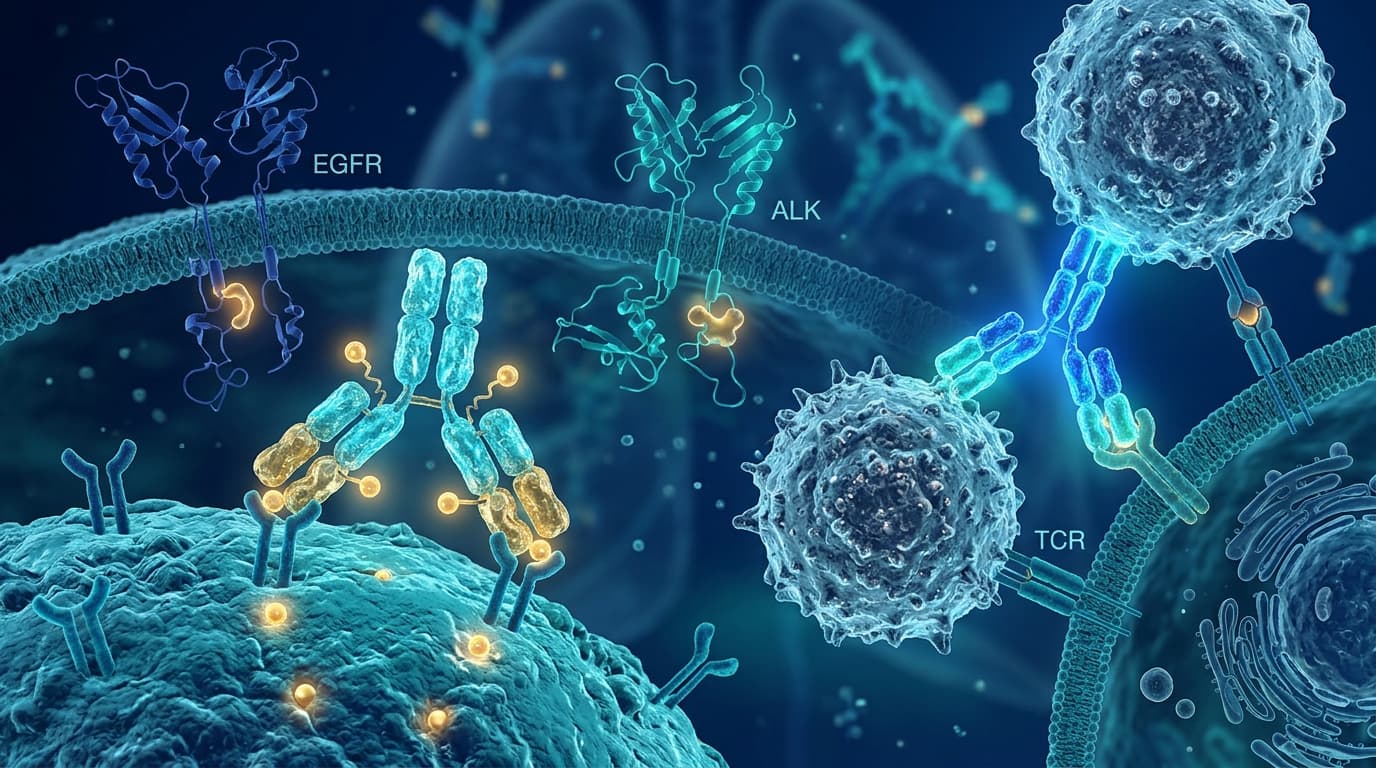
Advanced Lung Cancer (Stage IV & SCLC): Targeted Therapies, ADCs & T-Cell Engagers
Metastatic lung cancer is no longer an immediate death sentence. Discover how precision kinase inhibitors, antibody-drug conjugates (ADCs), and bispecific T-cell engagers are transforming Stage IV NSCLC and Small Cell Lung Cancer into manageable chronic conditions.
 Integrative Medicine
The Control Panel of Your DNA: How Your Lifestyle Rewrites Your Health
Your DNA is the permanent hardware, but epigenetics provides the software bookmarks. Discover how daily habits can activate tumor suppressor genes and rewrite your health blueprint.
 Cancer Awareness
Demystifying Cancer Jargon: A Plain-English Guide to 8 Essential Terms
Hearing words like angiogenesis, apoptosis, or HER2 can feel overwhelming. Here is an empowering translation of eight essential oncology terms using simple everyday analogies.