
Insulin Resistance and PCOS in Young Girls: How Late Nights and Fast Food Rewrite Hormones
Polycystic ovary syndrome (PCOS) affects one in ten women worldwide, with insulin resistance sitting at its core—even in lean teenage girls. Discover how circadian misalignment and modern diets disrupt the HPO axis and how ancient lifestyle wisdom can help reset it.
Key Takeaways
- Insulin resistance causes the ovaries to overproduce androgens and suppresses sex-hormone binding globulin (SHBG), leading to acne, hirsutism, and stalled ovulation.
- The hypothalamic-pituitary-ovarian (HPO) axis possesses internal circadian clock genes; late nights (sleeping past midnight) and blue light directly impair insulin sensitivity and gonadotropin pulses.
- The 2023 International PCOS Guideline recommends adolescents complete at least 60 minutes of daily physical activity, with muscle-strengthening exercises three times weekly.
- Home-cooked, fiber-rich meals with healthy fats counteract inflammation and trans fats, which are prevalent in reused frying oils and ultra-processed foods.
- Adolescent diagnosis requires signs of hyperandrogenism and persistent ovulatory dysfunction; pelvic ultrasound alone is never used for adolescent diagnosis.
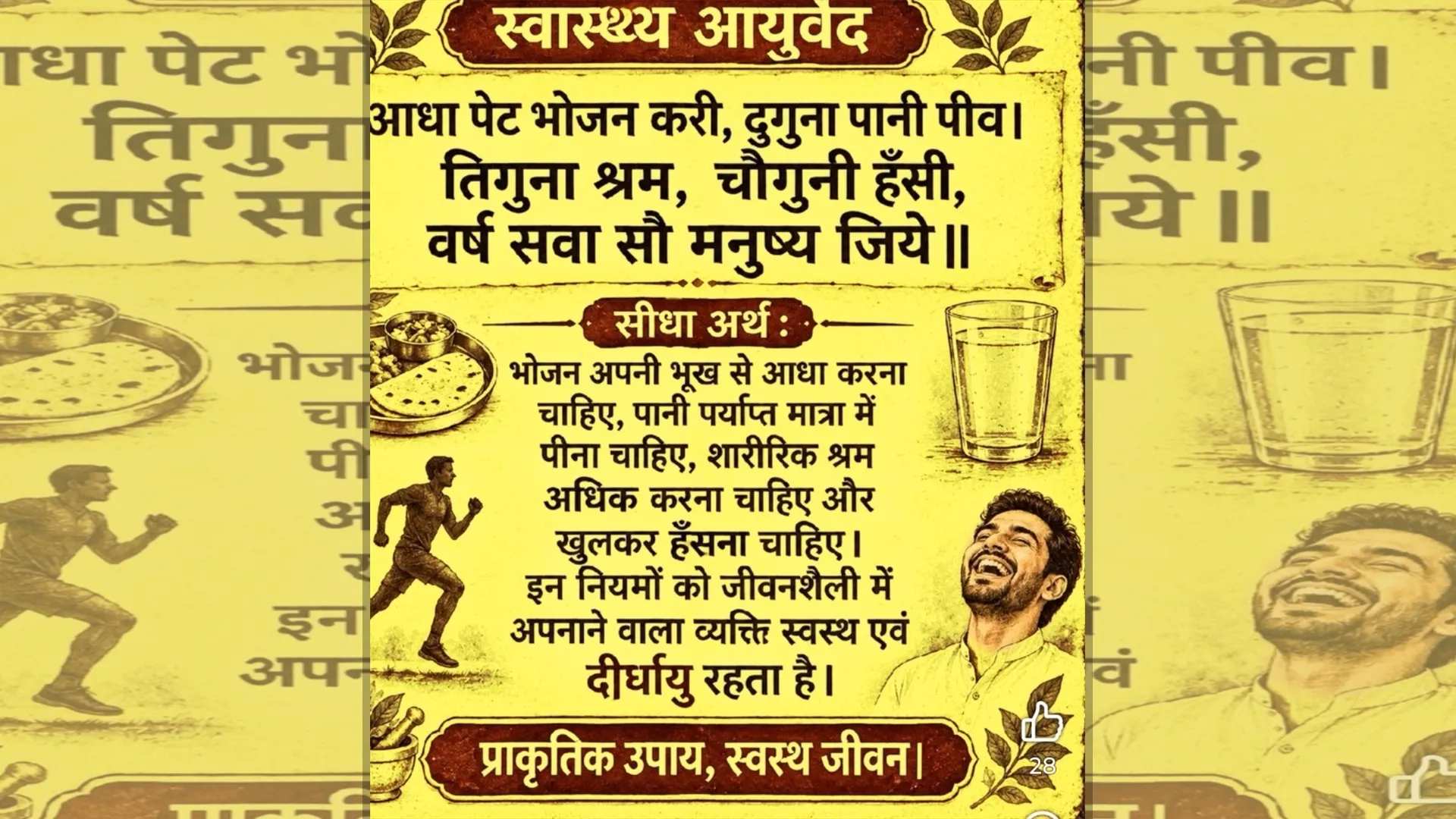
Our elders compressed lifestyle medicine into simple wisdom: eat mindfully, stay hydrated, stay active, and laugh freely. Today, gynecological clinics frequently see teenage girls struggling with irregular menstrual cycles, persistent acne, and stubborn abdominal weight—proving how far modern habits have strayed from those foundational principles. Polycystic ovary syndrome (PCOS) affects roughly one in ten women worldwide. Crucially, insulin resistance sits at the very heart of the condition, often manifesting even in slim, normal-weight girls. Genes may load the gun, but modern lifestyle pulls the trigger. While a girl with PCOS has done nothing wrong, the factors within her control are profoundly worth changing.
What Is Happening Inside: The Insulin-Androgen Vicious Cycle
Insulin acts as the cellular key allowing glucose to enter muscle, liver, and adipose cells for energy. In insulin resistance, that cellular lock becomes stiff and unresponsive. In response, the pancreas compensates by secreting higher volumes of insulin.
- Ovarian Androgen Overproduction: Chronically elevated insulin directly stimulates the ovarian theca cells to synthesize excess androgens (testosterone).
- Suppression of SHBG: High insulin signals the liver to decrease production of Sex Hormone-Binding Globulin (SHBG)—the protective protein that keeps testosterone bound and inactive. More free circulating testosterone results in cystic acne, hirsutism, and anovulation.
- Visceral Fat Accumulation: Androgens encourage fat deposition around the abdomen, which further aggravates systemic insulin resistance, escalating the risk for type 2 diabetes and non-alcoholic fatty liver disease (NAFLD) if unaddressed.
The Internal Body Clock and the HPO Axis
Every single cell in the human body keeps biological time. A suprachiasmatic master clock in the brain—orchestrated by natural daylight—regulates melatonin, cortisol, metabolic rate, and pulsatile neuroendocrine hormones. Female reproduction is intricately tied to this circadian orchestra: The hypothalamus releases Gonadotropin-Releasing Hormone (GnRH) in precise pulsatile rhythms, prompting the pituitary gland to secrete Luteinizing Hormone (LH) and Follicle-Stimulating Hormone (FSH), which govern follicular maturation, ovulation, and progesterone release. Circadian clock genes (such as CLOCK and BMAL1) are actively expressed at every tier of this hypothalamic-pituitary-ovarian (HPO) axis.
- Late-Night Screen Exposure: Blue light suppresses evening melatonin production, delaying cellular restorative repair.
- Social Jet Lag: Irregular sleep cycles between weekdays and weekends disturb the circadian rhythm.
- Rapid Insulin Sensitivity Drop: Short or fragmented sleep lowers peripheral insulin sensitivity within a matter of days, even in healthy young individuals.
- Circadian Digestive Mismatch: Late dinners (eating close to sleep) cause prolonged glucose spikes compared to consuming the identical meal earlier in the day.
Exercise as Medicine: Enhancing Muscle Glucose Disposal
Skeletal muscle represents the body's single largest glucose sink. Physical activity stimulates GLUT4 glucose transporters to move to the cell surface independently of insulin, rapidly enhancing insulin sensitivity without requiring drastic weight loss.
- Adolescent Activity Target: The 2023 International PCOS Guideline advises adolescents to engage in at least 60 minutes of moderate-to-vigorous physical activity daily.
- Resistance Training: Incorporate muscle- and bone-strengthening activity at least 3 days per week (bodyweight squats, resistance bands, dance, skipping, or swimming).
- Post-Meal Movement: A brisk 10 to 15-minute walk immediately following meals blunts postprandial glucose surges significantly.
Nourishing from the Home Kitchen: Whole Foods vs. Industrial Trans Fats
Traditional home cooking—featuring lentils (dal), vegetables (sabzi), whole grain flatbreads or millets, sprouts, moderate curd, seeds, and seasonal fruit—delivers prebiotic fiber and polyphenols that stabilize glycemic curves. Consuming fiber and protein prior to carbohydrates further attenuates insulin secretion.
- The Danger of Reheated Oils & Trans Fats: Industrial trans fats (partially hydrogenated vegetable oils) and commercial frying oils repeatedly heated to high temperatures release oxidized lipids that trigger chronic systemic inflammation, mitochondrial stress, and endothelial dysfunction.
- Food Sequencing: Begin meals with salads, cooked greens, or protein sources before eating starches to blunt post-meal blood sugar surges.
- Ditching Crash Diets: Severe caloric restriction causes stress-induced cortisol spikes that further destabilize reproductive hormones. Consistent nutritional quality, cooked with care, always supersedes extreme dietary restriction.
Medical Management and Long-Term Protection
While lifestyle interventions address foundational drivers, PCOS also possesses established polygenic and neuroendocrine components. For many young women, including lean individuals, appropriate pharmacotherapy provides vital organ protection.
- Hormonal Regulation: Combined oral contraceptives restore cycle predictability, lower free androgens, and prevent chronic endometrial thickening (reducing future hyperplasia risks).
- Insulin Sensitizers: Metformin assists in glucose regulation and ovulatory resumption in indicated cases.
- Anti-Androgens: Targeted therapies help control persistent dermatological manifestations (hirsutism, alopecia) under strict clinical supervision.
- Consultation Guidelines: Never initiate or stop hormonal therapies or high-dose supplements without comprehensive clinical evaluation.
When Should a Young Girl See a Gynecologist?
Consult a specialized gynecologist if menstrual cycles remain erratic more than two years post-menarche, if cycle lengths are consistently shorter than 21 days or exceed 45 days, or if any gap between cycles surpasses 90 days. Professional evaluation is also warranted for sudden abdominal weight changes, persistent cystic acne, or acanthosis nigricans (velvety hyperpigmentation on the neck or skin folds).
Dr. Sujata Mittal, Senior Gynaecologic Oncologist & Integrative Care Specialist, Famicare Speciality Center, Rohini
Frequently Asked Questions
Can lean or slim teenage girls have PCOS and insulin resistance?
Yes. Insulin resistance is an intrinsic metabolic feature of PCOS and can occur independently of body weight. Even slim girls can experience hyperinsulinemia, elevated ovarian androgens, and missed cycles.
Why is sleep and staying up late linked to PCOS?
The HPO axis that governs ovulation contains biological clock genes. Late-night blue light exposure, sleeping past 2 a.m., and circadian misalignment lower insulin sensitivity within days and disturb the pulsatile release of GnRH and LH, triggering anovulation.
Can ultrasound alone diagnose PCOS in adolescent girls?
No. Multi-follicular ovaries are common and normal in healthy developing teenagers. International clinical guidelines require clinical or biochemical signs of hyperandrogenism along with persistent ovulatory dysfunction for adolescent diagnosis; pelvic ultrasound alone is not diagnostic.
References
Concerned about irregular cycles, hormonal symptoms, or adolescent PCOS? Book an evidence-based consultation with Dr. Sujata Mittal at Famicare Speciality Center, Rohini.
Related Articles & Latest Clinical Guides
Continue exploring evidence-based oncology, cervical cancer prevention, and wellness insights.
 Cancer Care
Advanced Lung Cancer (Stage IV & SCLC): Targeted Therapies, ADCs & T-Cell Engagers
Metastatic lung cancer is no longer an immediate death sentence. Discover how precision kinase inhibitors, antibody-drug conjugates (ADCs), and bispecific T-cell engagers are transforming Stage IV NSCLC and Small Cell Lung Cancer into manageable chronic conditions.
 Cancer Care
Lung Cancer Treatment (Early Stages I to III): Molecular Biomarkers, Surgery & PACIFIC Protocol
Lung cancer management has transformed. From mandatory multi-gene biomarker panels to robotic lobectomy and perioperative immunotherapy, understand how Stage I to III lung cancer is treated today with curative intent.
 Gynecologic Oncology
Beyond Waste: The Untapped Regenerative Power of Menstrual Blood
What was once dismissed as waste is now proving to be one of the richest, most ethical, and most accessible sources of regenerative medicine available: Menstrual Stem Cells (MenSCs).